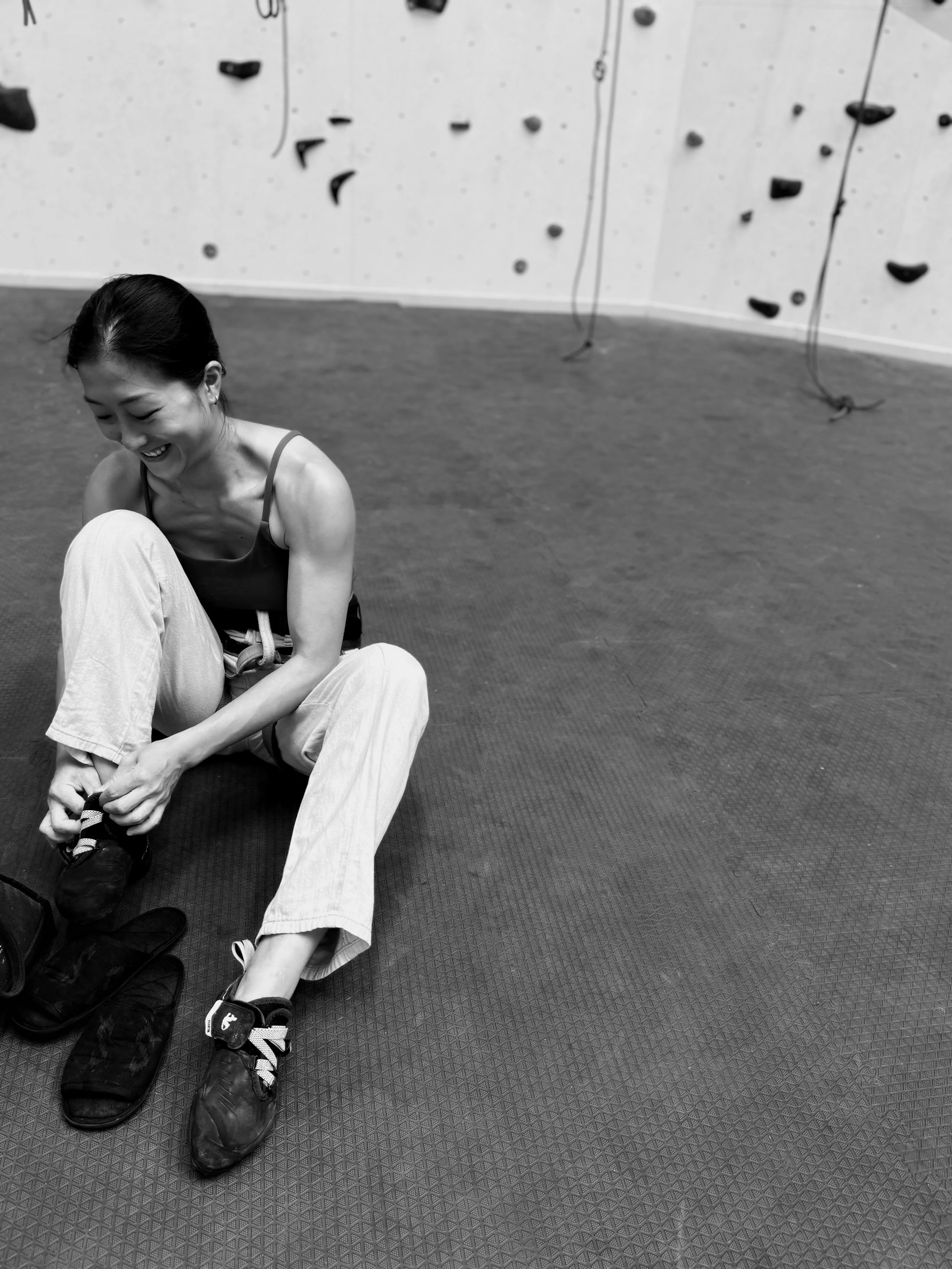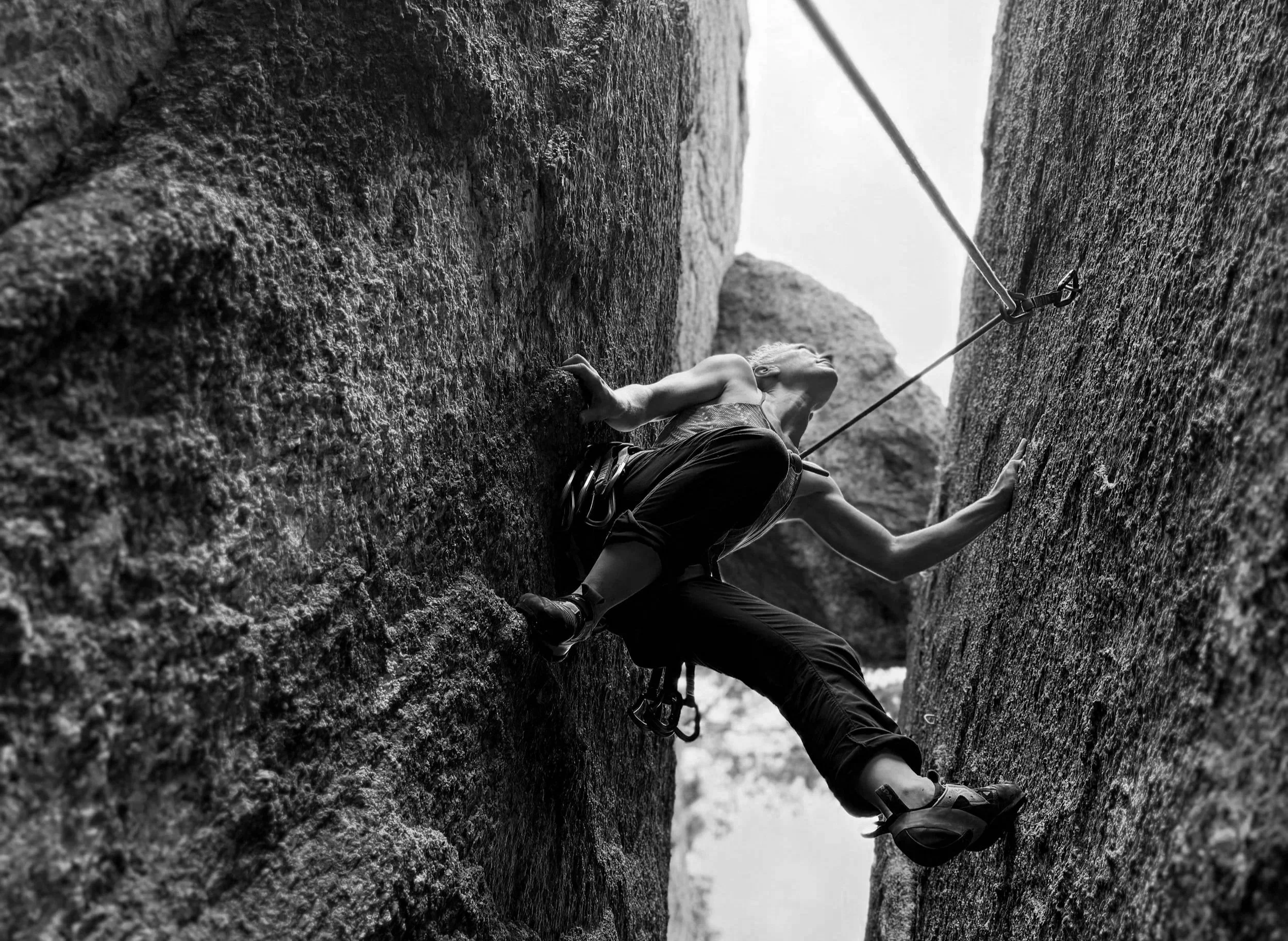
get uncomfortable.
We are steeped in comfort. And confused it with wellbeing. And in that confusion we forgot: growth requires friction. When we have a risk appetite of 2 instead of 8, our brain develops a low tolerance for uncertainty. We are less confident, indecisive, and fearful. We live with absurd levels of worry.
We need to recover our ability to navigate discomfort, uncertainty, and risk.
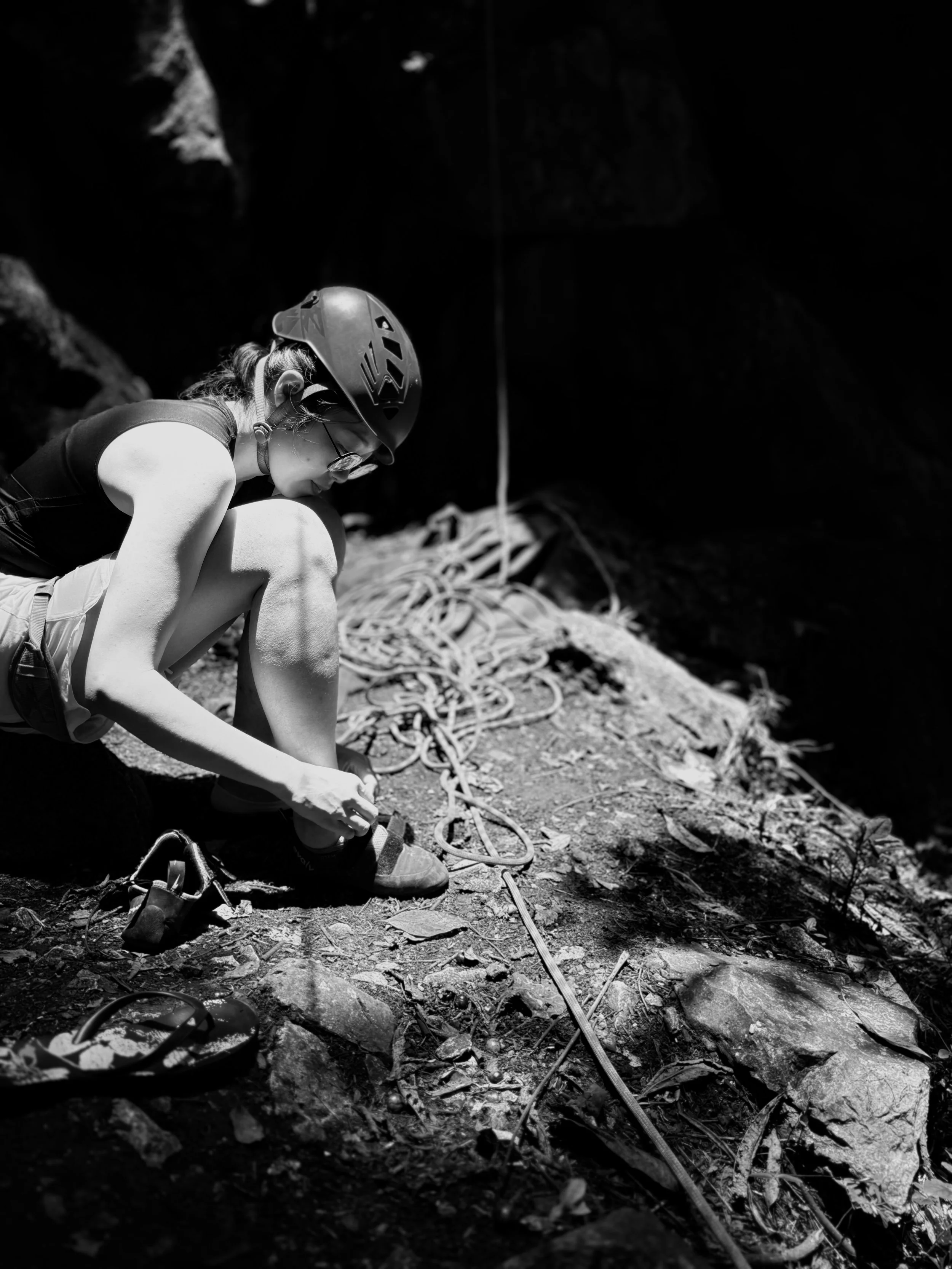
Resilience allows us to do more of what matters, and that might mean more of what scares us.
You don't grow that capacity by avoiding it. You do it through practice.
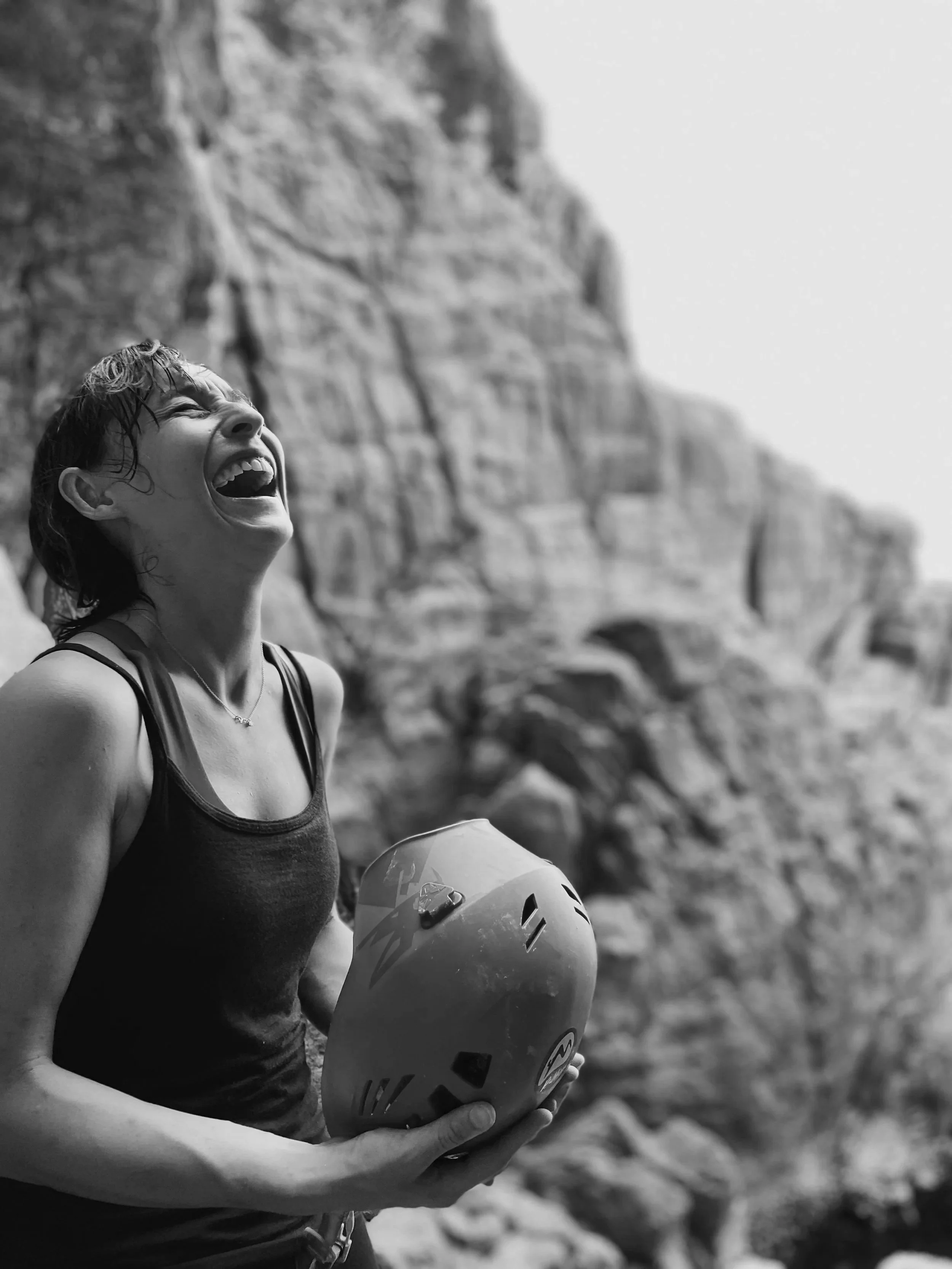
ReMind uses climbing to build that mental grit.
-
![]()
ReWilder50+
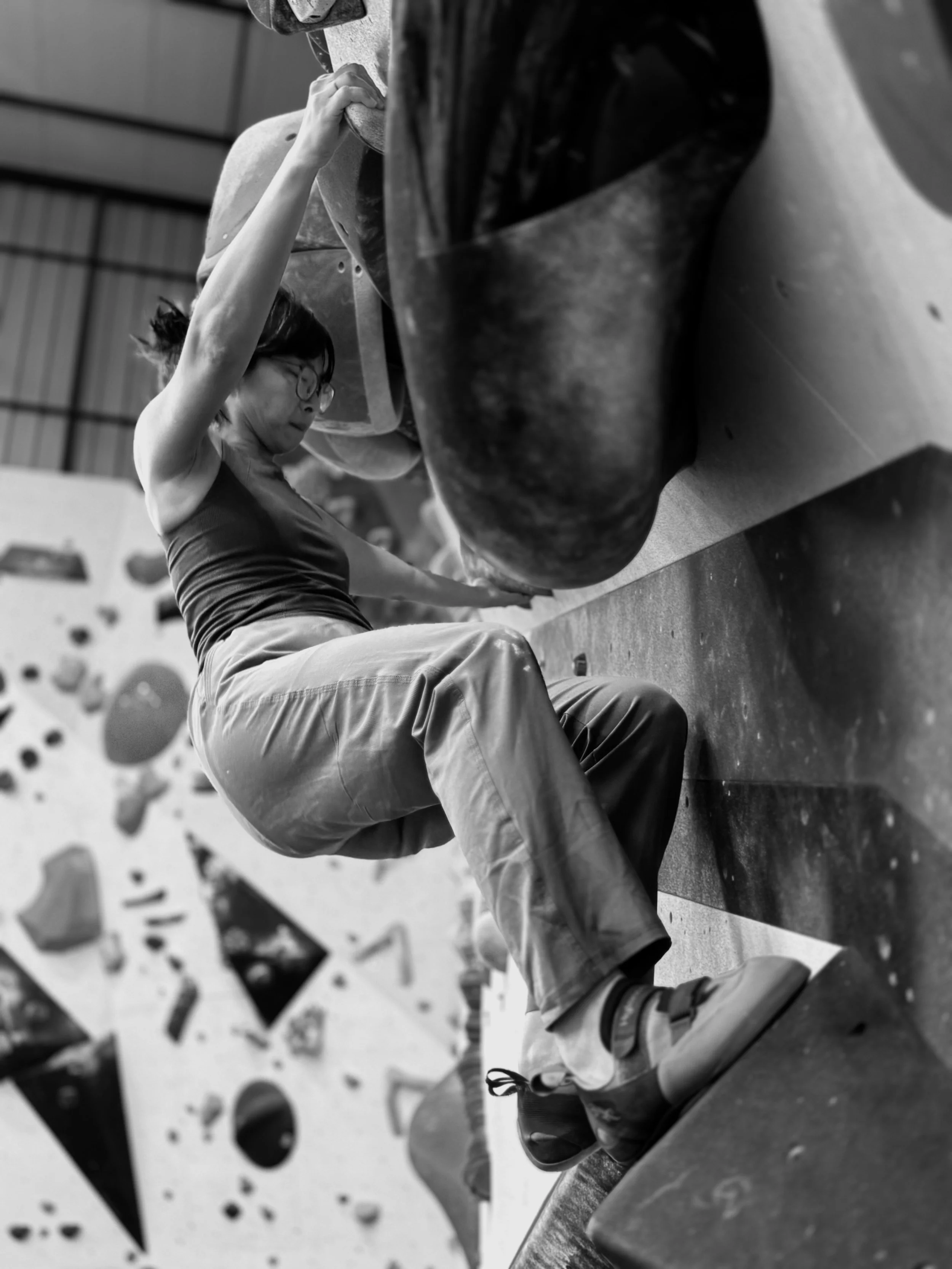
ReWilder50+ climbing pushes back on the narrative that older folks need to be kept safe. Our climbing sessions are designed as opportunities for the 50+ to move, problem solve, take calculated risks, and discover that old age doesn’t mean you’re done.
Set up your own climbing session, or join our weekly climbing class at Main Wall Climbing Gym in Chiang Mai. No experience needed– just curiosity and a willingness to try something new.
-
![]()
WomenOnTheWall
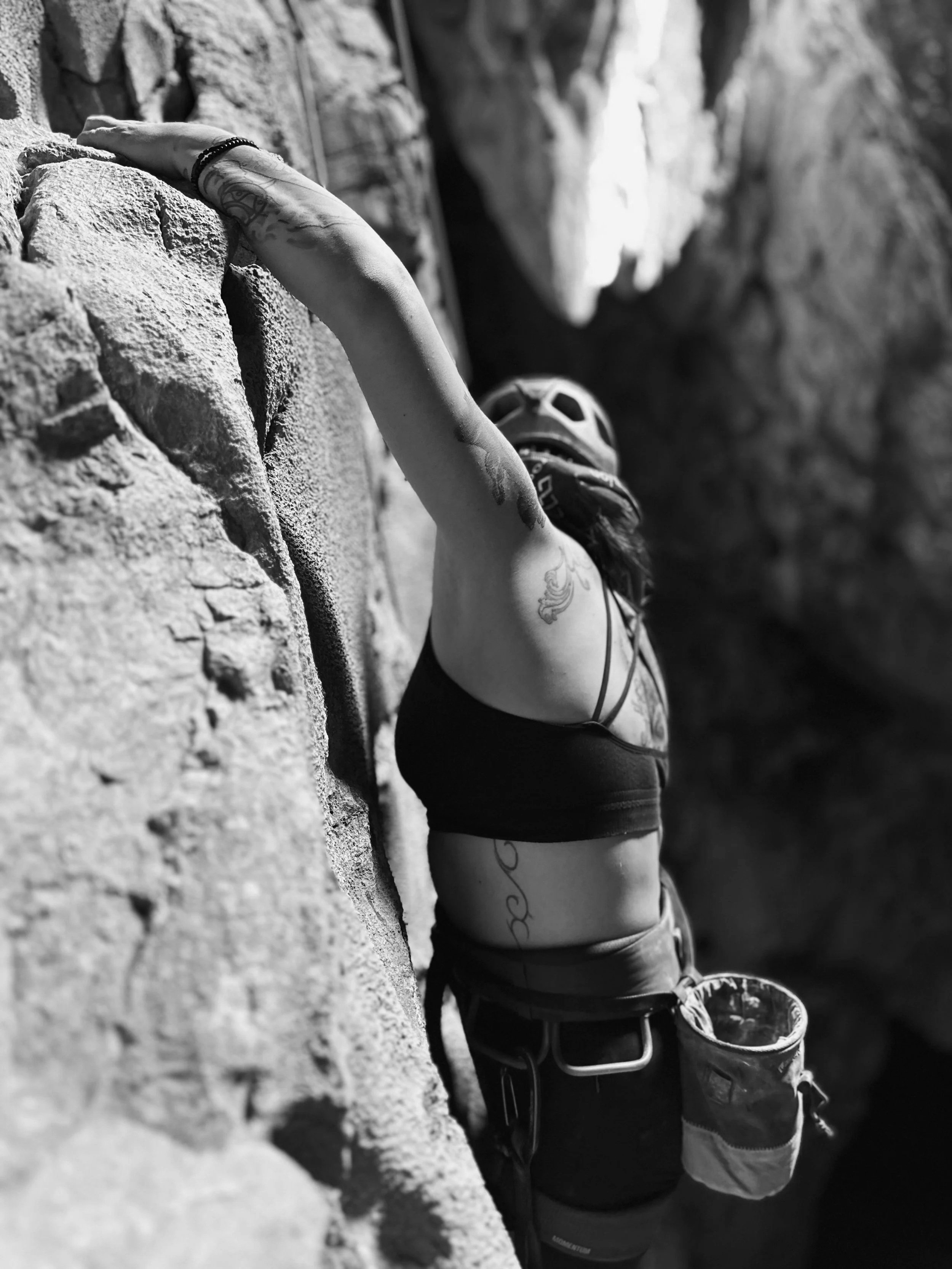
WOTW isn’t a retreat from life– it’s designed to return you to it. Over two days, we take you climbing outdoors to get you out of your head and find your ground.
No climbing experience is required; we select routes based on each person’s experience and skill level.
We run retreats in Northern Thailand and Koh Tao. All retreats are small and intimate. Get in touch to learn about our full schedule.
-
![]()
ReMindKids
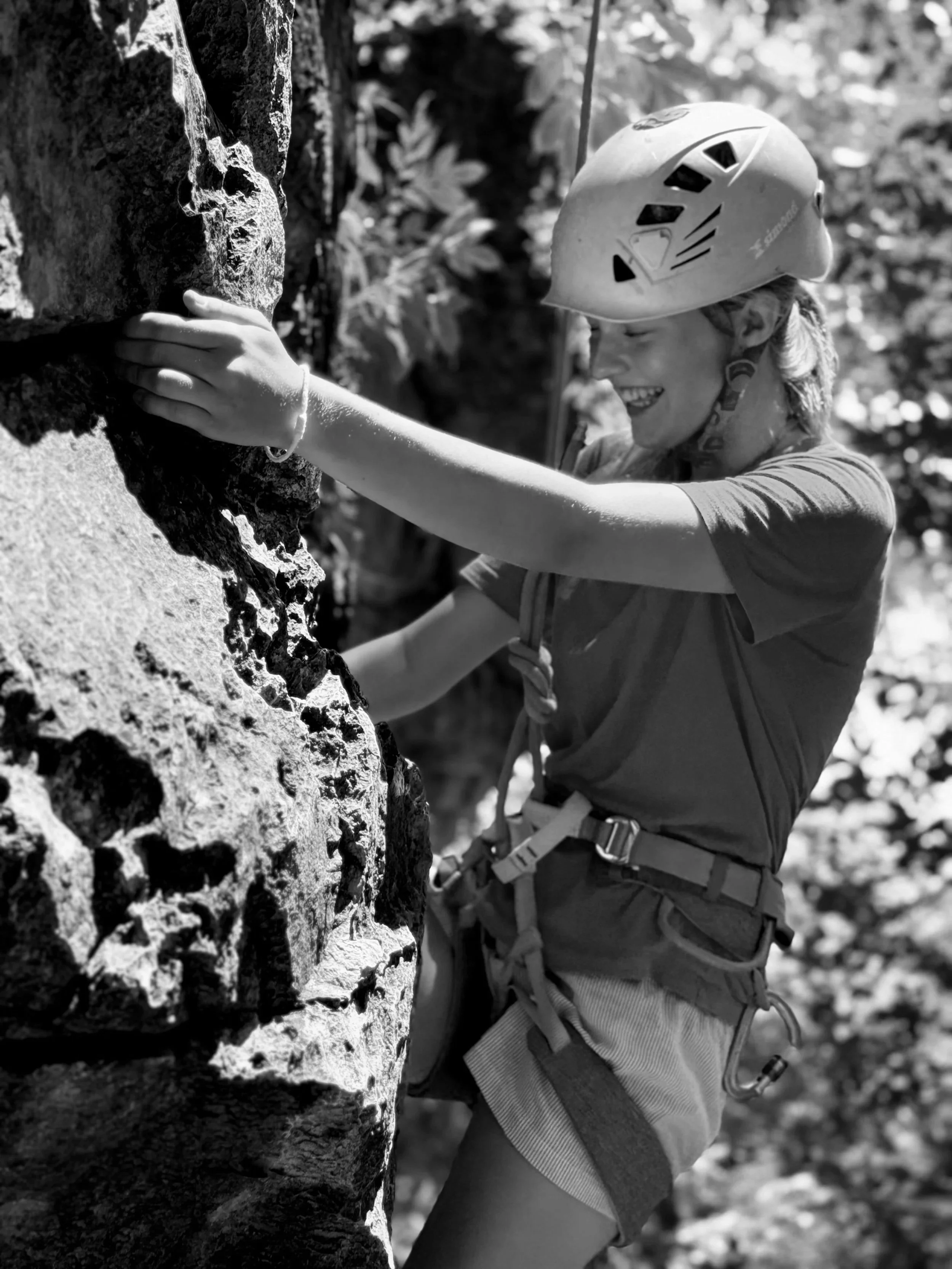
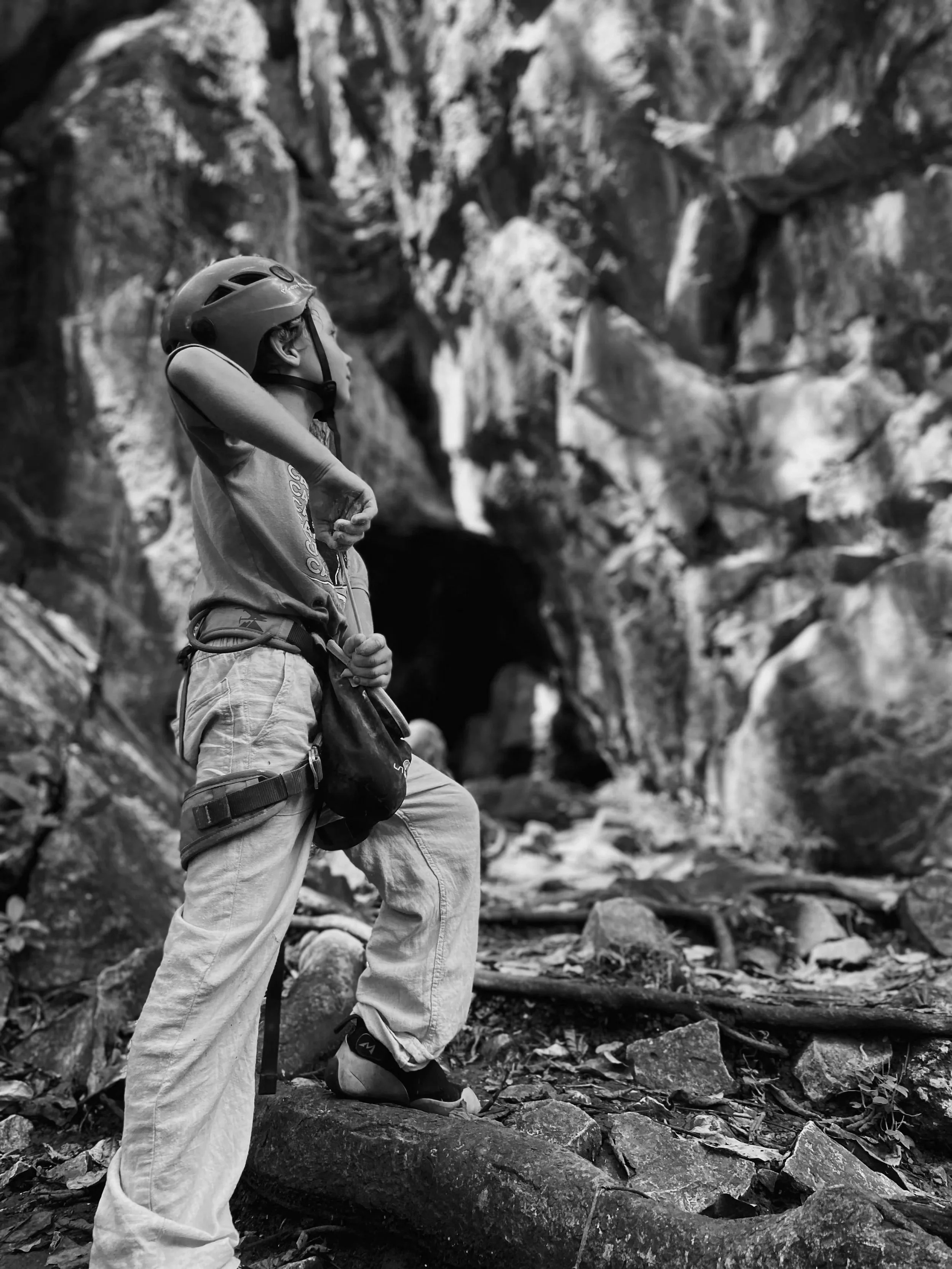
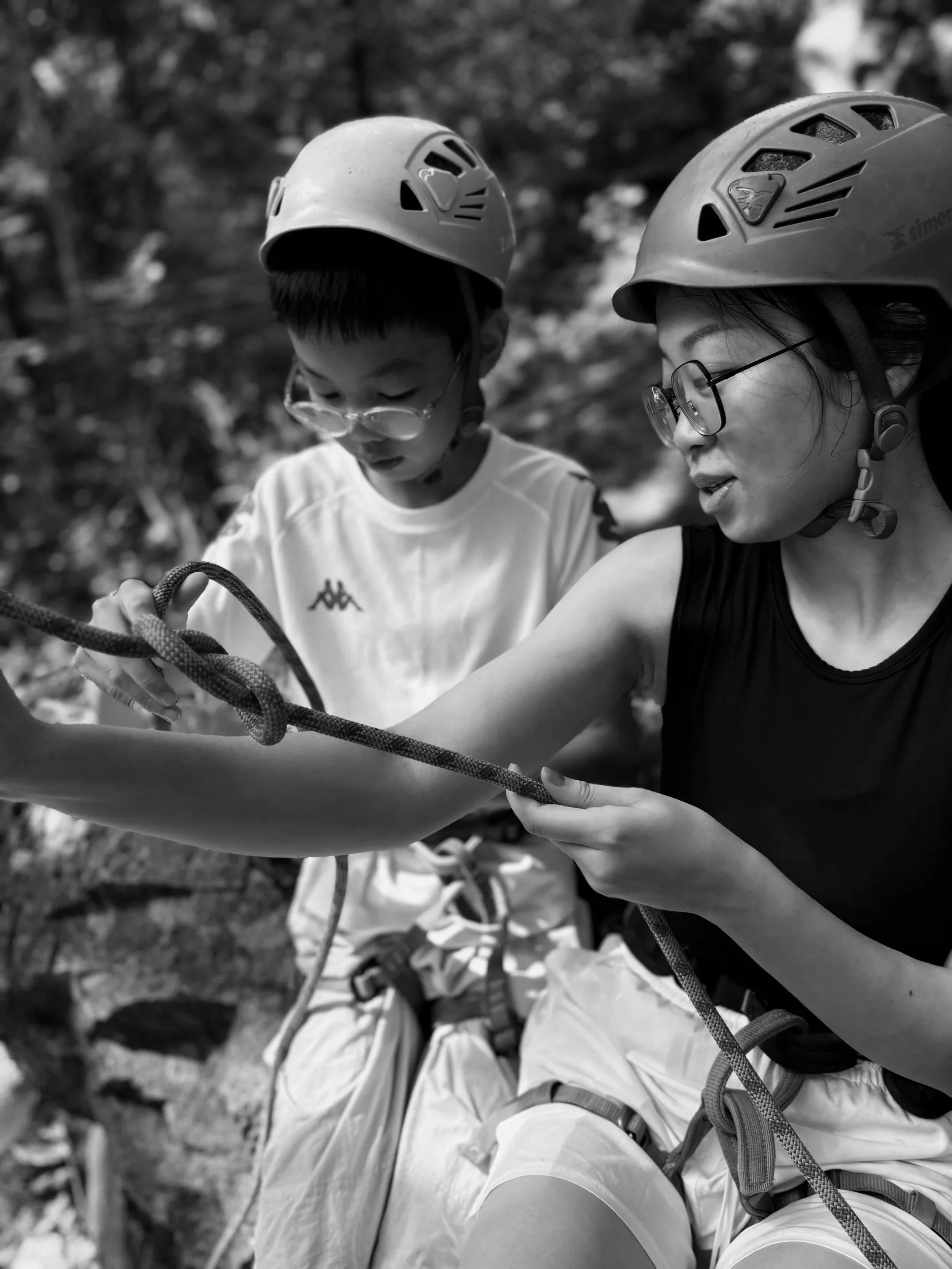
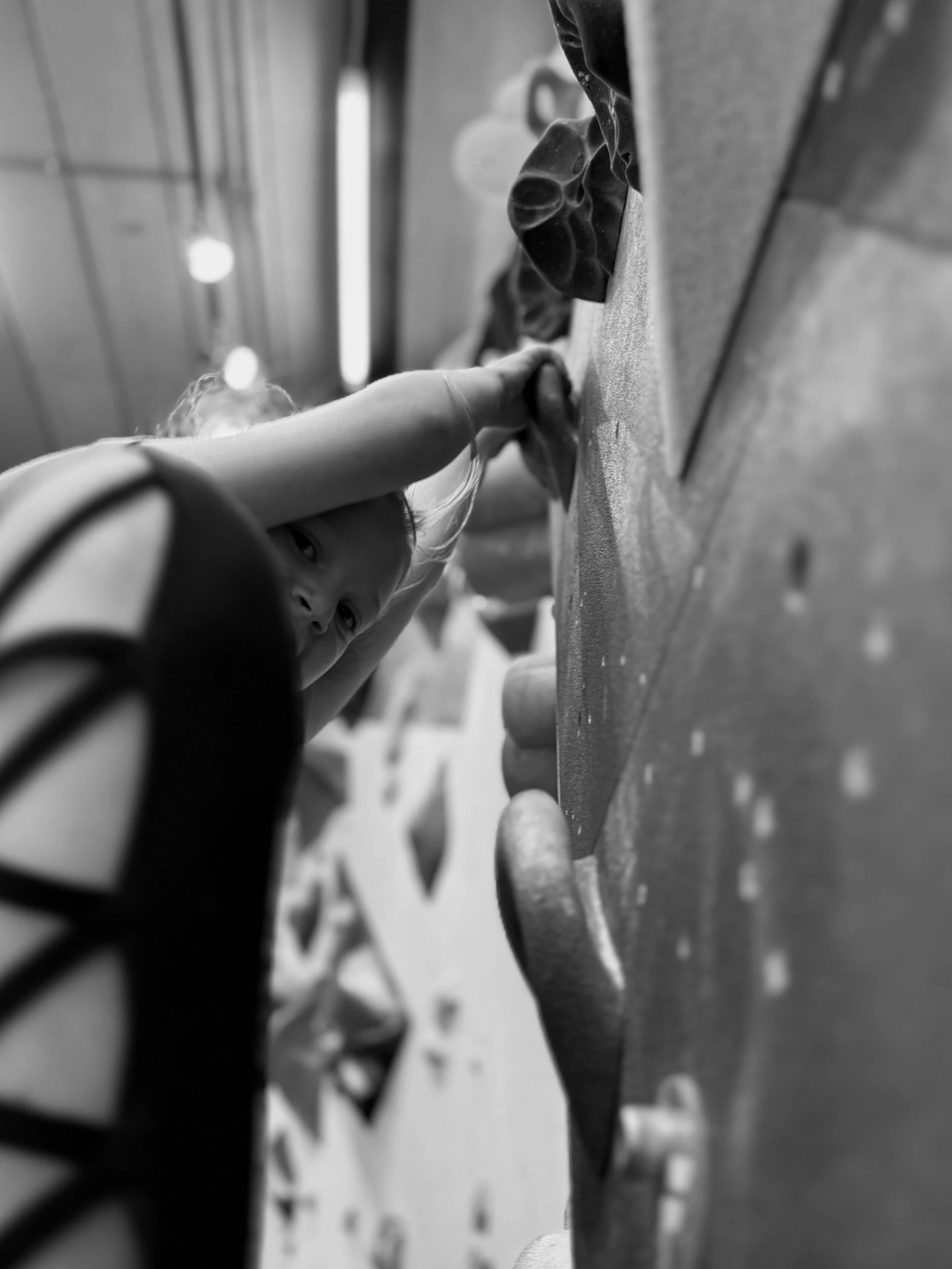
ReMindKids offers our young ones a mindful climbing experience. We use the physical challenge, risk, failure, and frustration that comes with climbing to help kids learn how to keep going when something is hard. How to make decisions when there’s risk. How to do things that scare them.
Indoor and outdoor sessions available in Chiang Mai and Bangkok.
-
![]()
Outdoor Intensives
ReMind Climbing Intensives are bespoke sessions for climbers who are looking to become independent outdoor climbers. Sessions are designed to expand tolerance, not by eliminating fear and risk, but through mastery. As skills get ingrained and systems become habit, confidence shifts from "I hope nothing goes wrong” to "I can respond when it does.”
-
![]()
1:1 Sessions
One-on-one sessions are bespoke and available for both climbers and non-climbers.
We work with beginner to advanced climbers looking to develop mindset, mindful movement, and climbing confidence. Our therapeutic climbing sessions with non-climbers are designed to support individuals wanting to address anxiety and stress.
Sessions are available in Bangkok and Chiang Mai.
-
![]()
UNPLUG
UNPLUG is a partnership between Second Wind Ranch & Rescue and ReMindKIds. It is a 5 or 6-day horseback riding and rock climbing camp in Chiang Mai to help kids disconnect from their devices and reconnect with nature.
Through outdoor adventure, mindful movement, and hands-on animal care, kids learn resilience and the ability to meet challenges with courage and curiosity.
For ages 6-12. Camps are held in the summer and winter.
-
![]()
Parent & Child
We use climbing, movement, and mindfulness so parents and children can practice navigating fear and frustration, and learn to problem-solve together. Shared challenges create opportunities for co-regulation, helping children manage stress and emotions with the support of a trusted adult before learning to do it more independently.
Book a trial session to see if it’s a good fit for your family.
-
![]()
Group Workshops
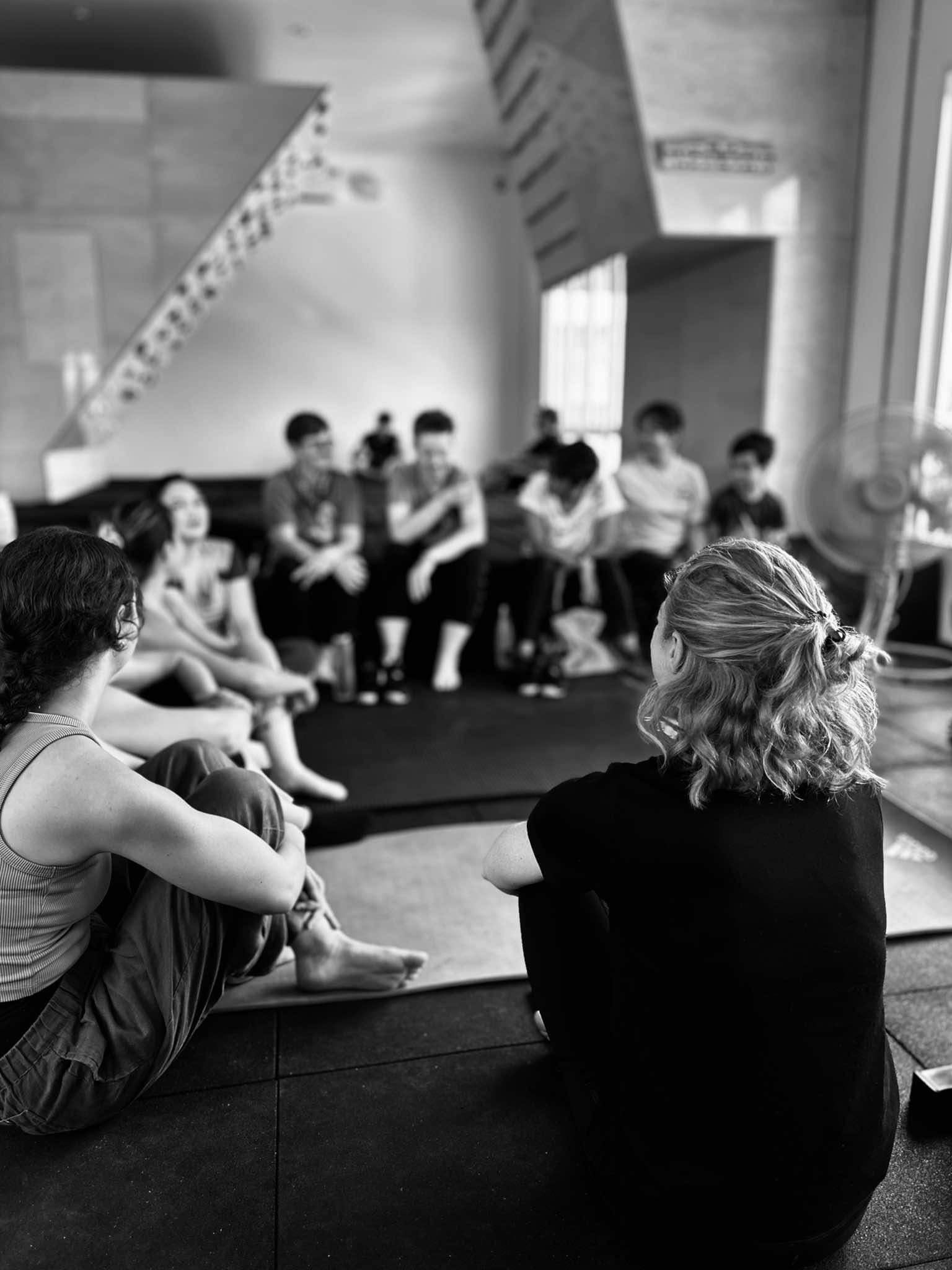
We host group workshops and events in Chiang Mai and Bangkok, including public clinics focused on mindful movement, mindset, and climbing psychology.
We also offer ReMindClimbing custom group sessions (single or multi-day retreats) for work colleagues, friends, and families. Your team will leave with a fresh perspective on how they show up for each other, how they solve problems, manage stress, and avoid burnout.
-
![]()
Back to the Wall
For climbers who are physically ready to start climbing again after an injury, but find that their mind hasn’t caught up. Maybe you don’t trust your body, you’re afraid of getting hurt, or you’re struggling with the rebuilding process.
Back to the Wall gives you a structured way to recover your mojo. Through mindful movement, progressive exposure, and mindset work, we help you rebuild trust and design a sustainable path back to climbing.
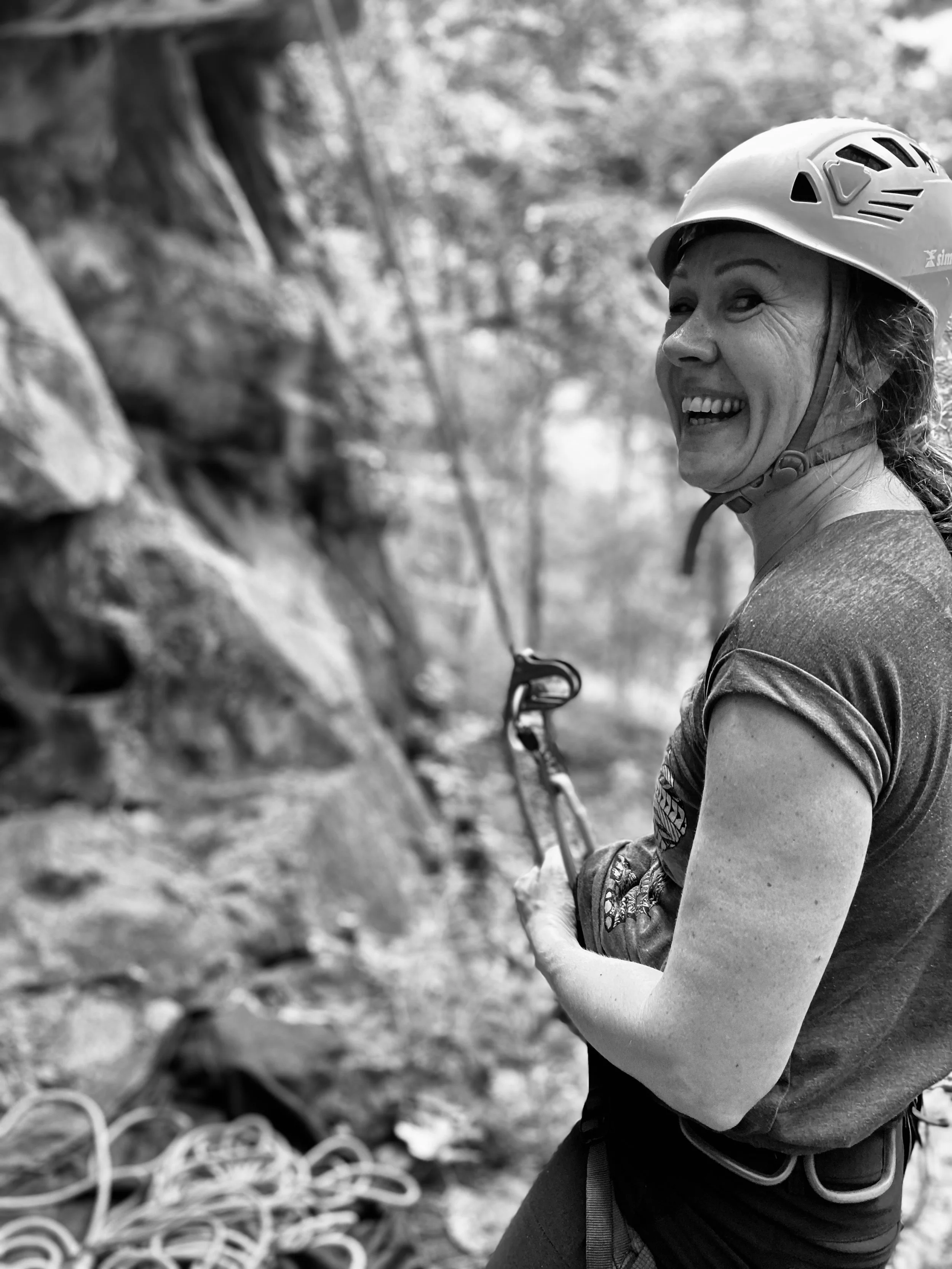
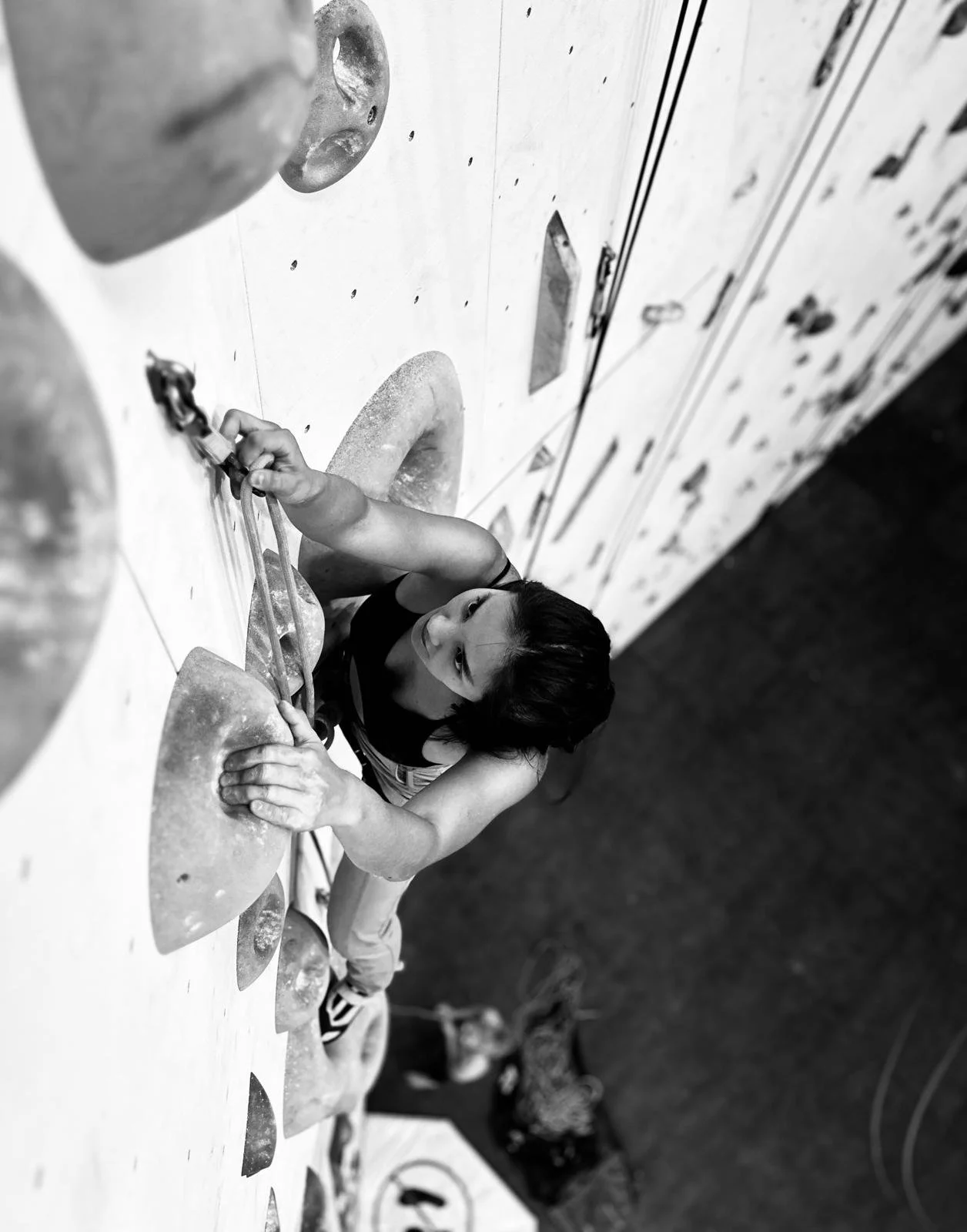
“After fall practice, my climbing evolved from being distracted by fear to being focused on climbing and rope management. Now, I move more freely and use my feet with purpose and confidence.”
– Aaronna, climber/entrepreneur
Under pressure
The decline in mental health among 10-19 year olds began well before COVID-19 and has continued to intensify. Globally, one in seven children suffer from a mental disorder; depression and anxiety being the most common. There’s no single cause, but we know our young are facing a complex mix of pressures, from social media and academic expectations to economic uncertainty, climate anxiety, and an increasingly unpredictable world.
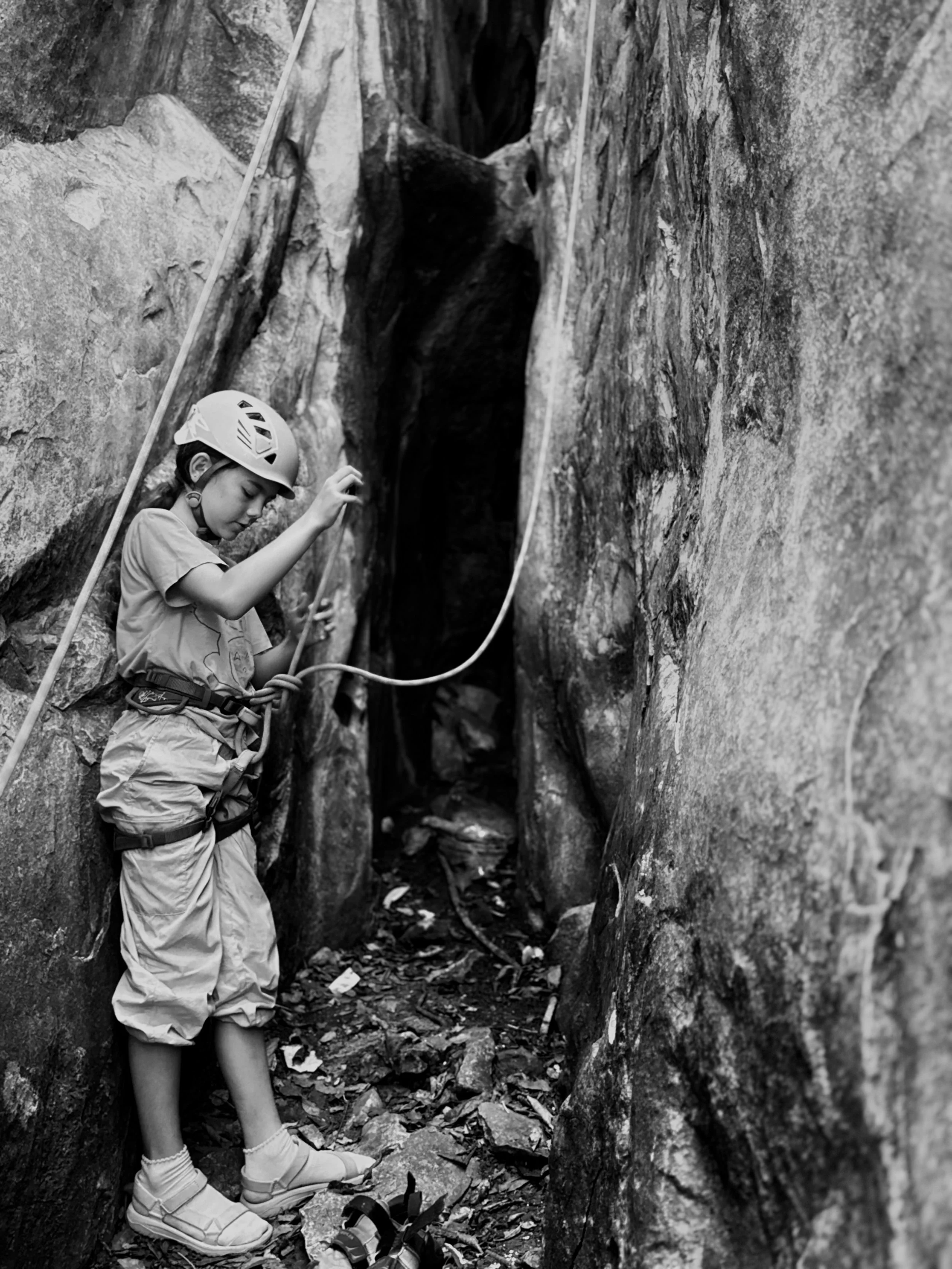
What if our efforts to protect children from anxiety are leaving them less equipped to deal with it?
Children can't learn to manage stress if we constantly step in to make things easier, remove risks, or prevent failure.
ReMindKids uses climbing so children get used to discomfort. They practice dealing with fear, getting stuck, making mistakes, assessing risk, and trying again. They learn how to keep going when something is hard. How to make decisions when there’s risk. How to do things that scare them. It takes discipline, patience, and sometimes, it takes sitting with their frustration instead of soothing it.
Unplug
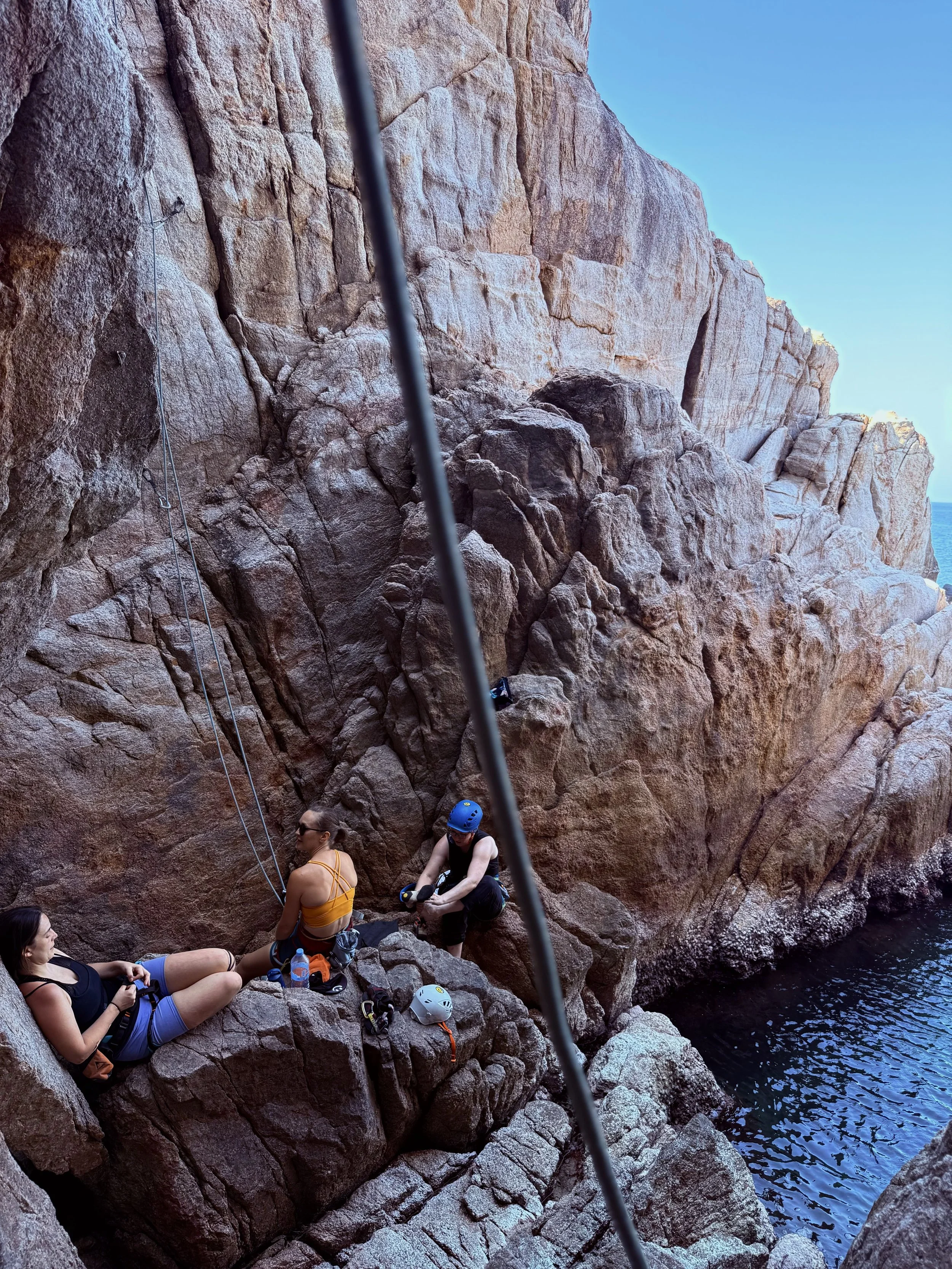
We're surrounded by noise, much of it silent: notifications, scrolling, the constant stimulation and the endless pull of technology. It leaves less room for our attention to settle, our minds to wander, and our curiosity to take over. ReMind builds unplugged time into our camps and retreats to create that space. Away from screens and deep in nature, we can be human again.
Climbing & neurological disorders
Beyond its physical and psychological benefits, climbing is emerging as a promising tool for supporting people living with neurodegenerative disorders. The following case studies examine how climbing supports self-reliance and improves quality of life across different diagnoses.
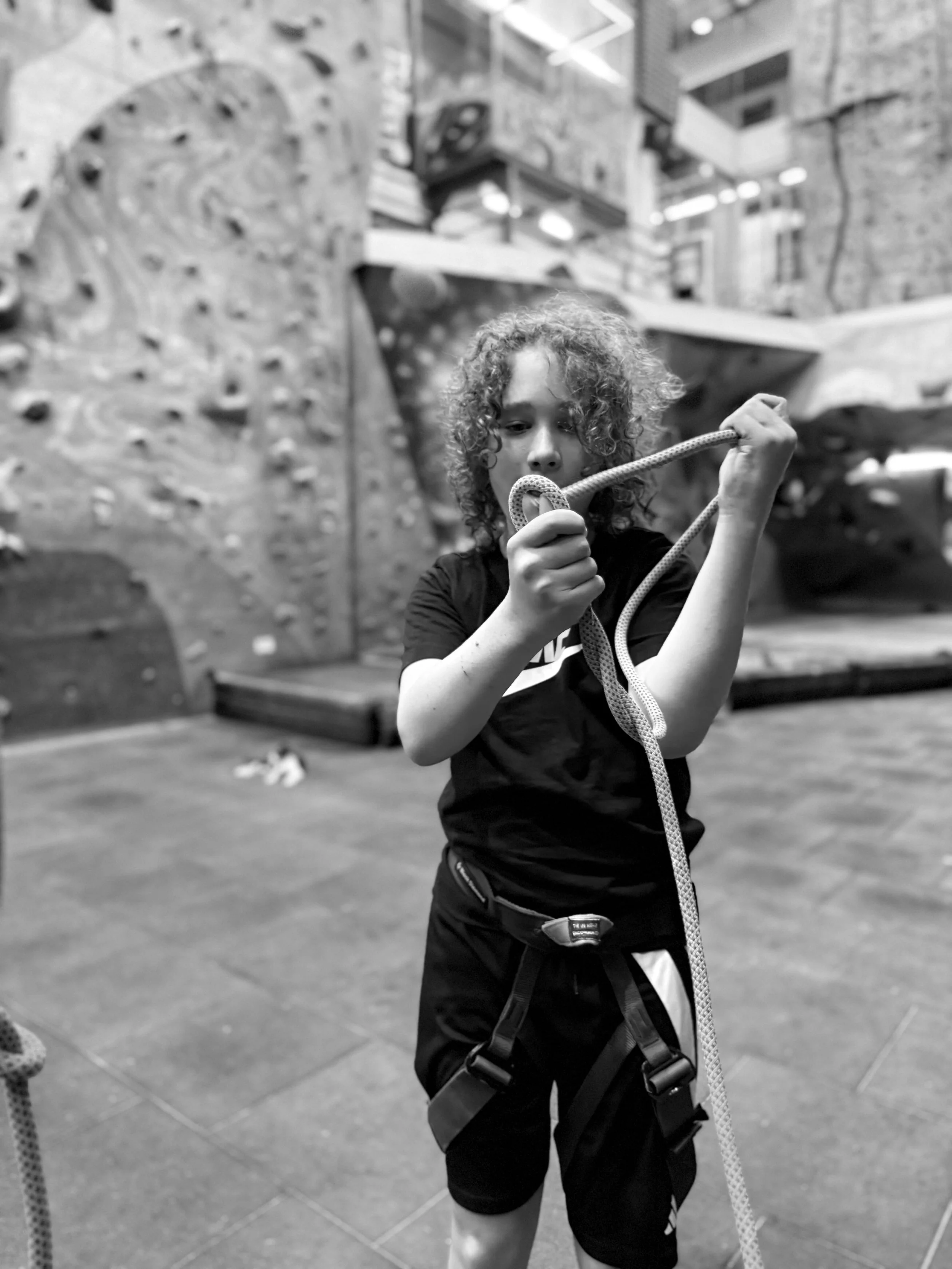
Cerebral Palsy. Studies of children with CP have demonstrated that adapted climbing can support physical activity, motor coordination, and aspects of upper-limb function, including strength and movement control.
Parkinson’s Disease. A randomised controlled trial found that a 12-week supervised climbing programme improved motor symptoms, including tremor, rigidity and bradykinesia. Further research has reported improvements in balance, mobility, agility, and dexterity.
Multiple Sclerosis. Research suggests sport climbing can help physical endurance, muscle strength, and aspects of motor function.
Frequently Asked Questions
-
No! No climbing experience is necessary. Experienced climbers also benefit from our bespoke sessions. We structure sessions based on your skills and needs.
-
Gear rental is an additional cost. For indoor climbing, gym fees are not included.
-
An outdoor session lasts 4 hours. An indoor gym session lasts 1-2 hours.
-
We can arrange transportation for you for outdoor sessions at an additional fee.
-
Yes. If you let us know what you’re interested in, we can create a more bespoke ReMind experience for you or your family. We can customise your own 2-3 day climbing retreat.
-
ReMind is based in Chiang Mai, Thailand year round. Every month we offer a week of sessions in Bangkok. In April, we host retreats and run sessions in Koh Tao.
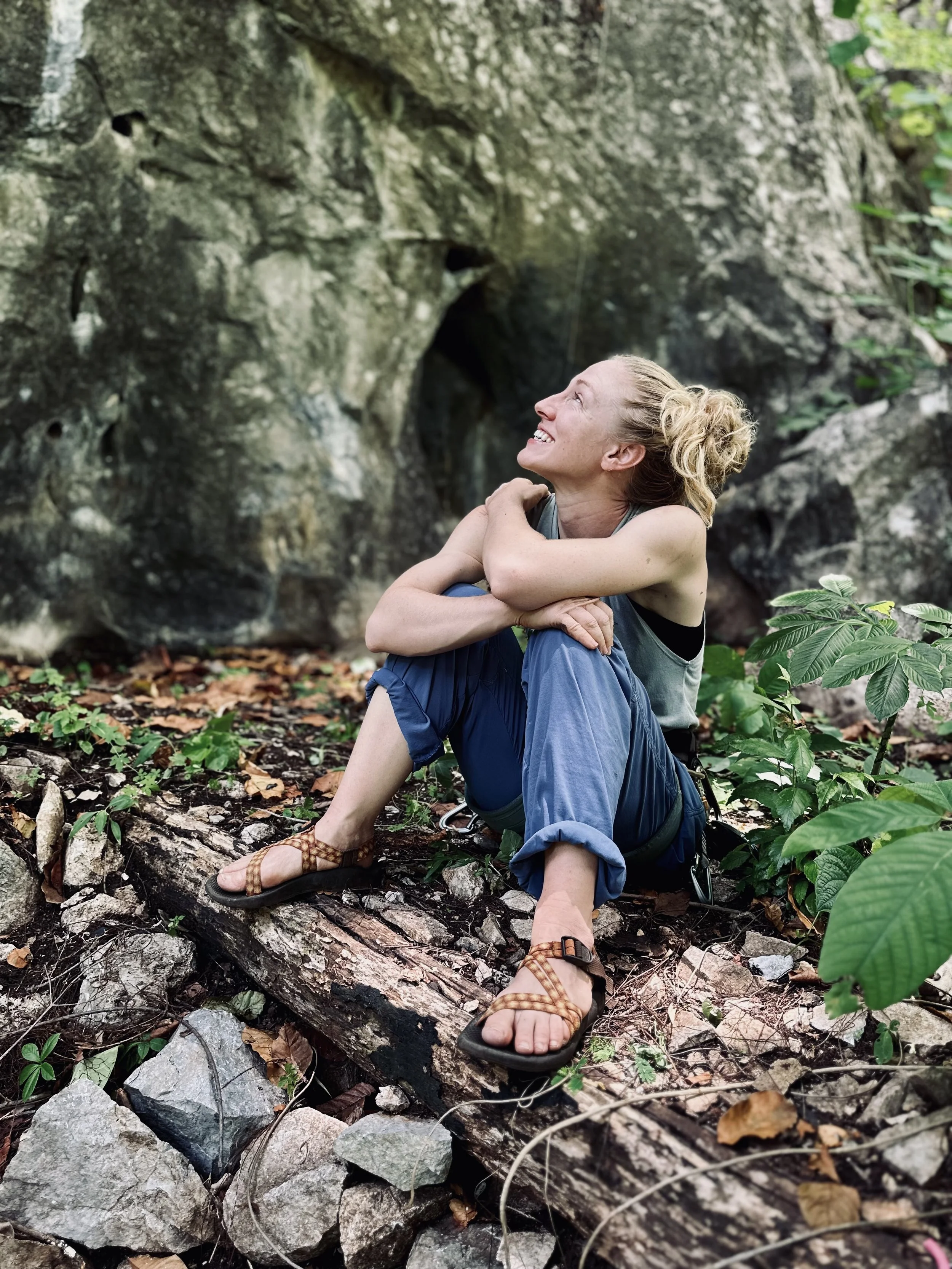
“ReMind was born from my climbing journey as well as the many lives I’ve seen affected by climbing. It is the perfect playground for identifying the edge of your comfort zone and expanding it. Climbing helped me become more self aware and confident in my own abilities, on and off the wall.”
ReMind Director
Steph is trained in Mindfulness-Based Stress Reduction (MBSR) and therapeutic climbing and experiential education. She has a level-three CWA climbing wall instructor certificate and a level-three SEACF Certification for Sport Climbing.