
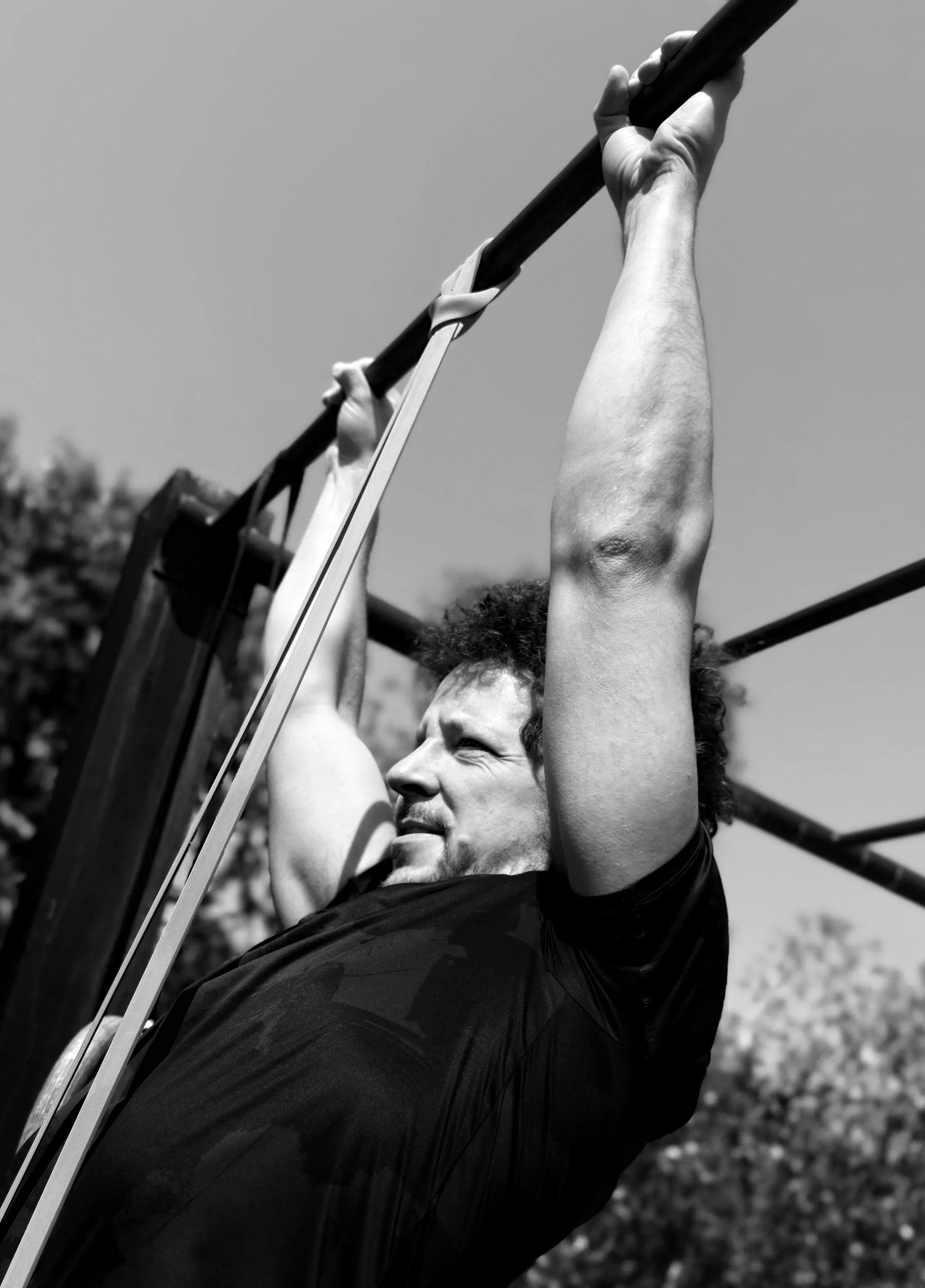
rehab
It’s time to rethink pain. Instead of something to ignore or escape, pain is a flag, which points us in the direction of what needs work. It helps us to identify the root of an injury: poor hip mechanics that ends in twisted ankles; or scapular dyskinesia that results in elbow pain.
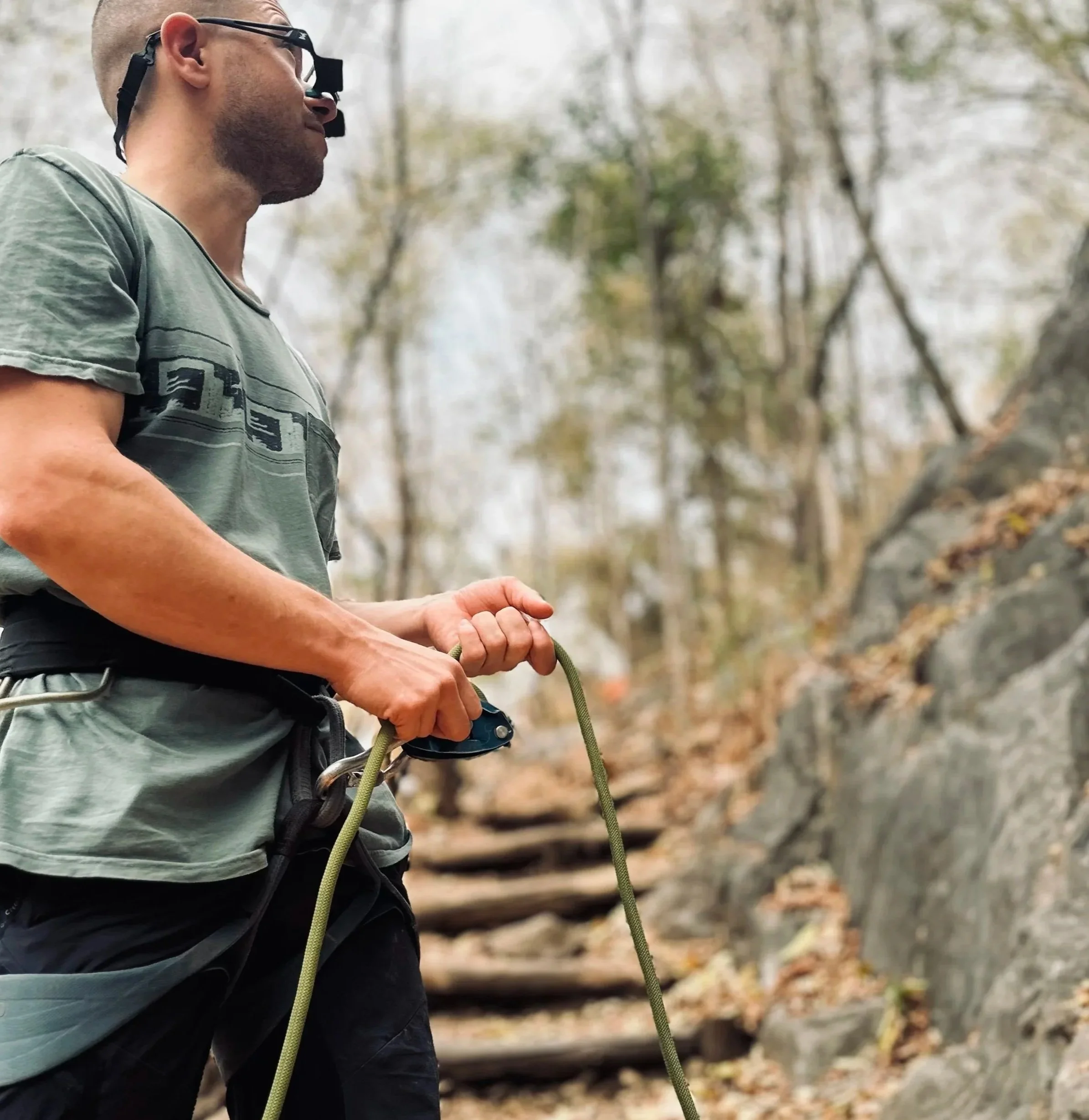
“ReWilder has been pivotal in my recovery. They used disciplines like martial arts, hiking, and even climbing to help me harness my body’s natural instincts and relearn movement. They create bespoke programmes to fit your needs, and will stick with you until you accomplish your goals. That innovation, commitment, and dedication, you simply won’t find anywhere else.”
– David, stroke survivor
No two injuries are ever the same. So why shouldn’t our solutions be equally diverse?
How we would rehab a fractured forearm bone in someone in their 60s differs drastically from how we would treat a young athlete. This bespoke approach is what makes us different. We figure out what works in your specific case. We don’t bulldoze forward with one solution just because a peer reviewed study said it was the best thing.
We come to rehab with an investigative mindset.
And we don’t stop at alleviating pain. We rescue the quality of life that existed prior to the injury. We make sure you can play football on a reconstructed knee, or return to heavy powerlifting after a spinal injury. We intend for you to live in your body again.
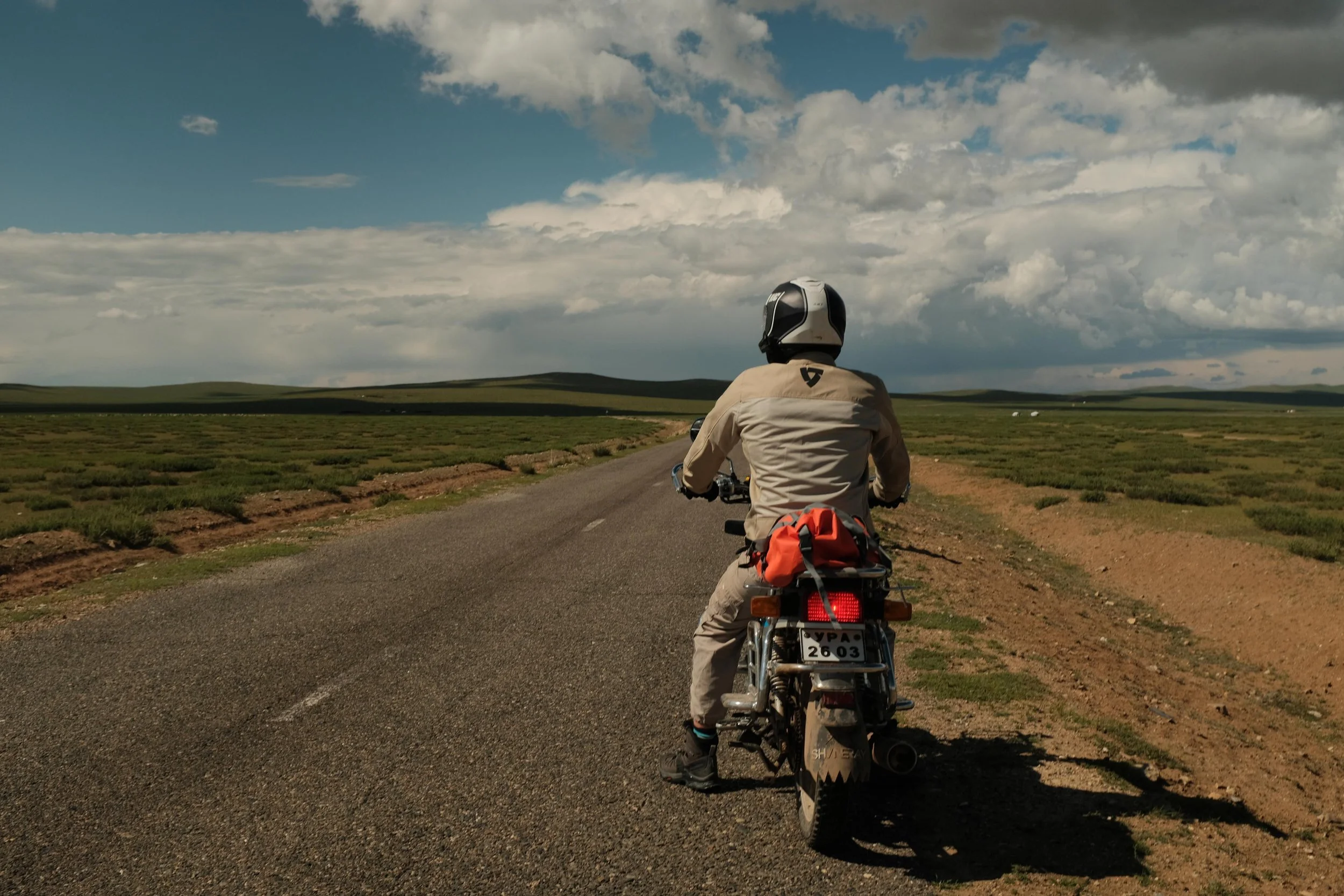
“Thanks to the hip work I did with ReWilder, I went from hobbling like a grandpa to ripping trails like a mountain goat on Red Bull.”
– Rob, trail biking in the Gobi desert
Frequently Asked Questions
-
Injuries are unique. We recommend a consult to determine when and how we can begin the work. In cases of post-surgical rehabilitation, we can begin as soon as your surgeon gives you the okay.
-
We view rehab as a process of getting back to a quality of life prior to the injury, and when possible making sure it doesn’t happen again.
We don’t stop at alleviating pain. We make sure you can play football on a reconstructed knee, or return to heavy powerlifting after a spinal injury. We make sure you can do things with your body again.
-
We’ve worked with serious cases such as neurological damage (like strokes), spinal disc injuries (bulging, slipped, herniated), and simpler cases such as general connective tissue strain/sprain or muscle tears and reprogramming.
We also work with chronic cases that focus on management like arthritis or degenerative disc disease.
-
Recovery depends on your specific injury, but the general rule of thumb is: muscle recovers the quickest (days to weeks), connective tissue takes longer (weeks to months, depending on the severity), and bone takes the longest (months to years).
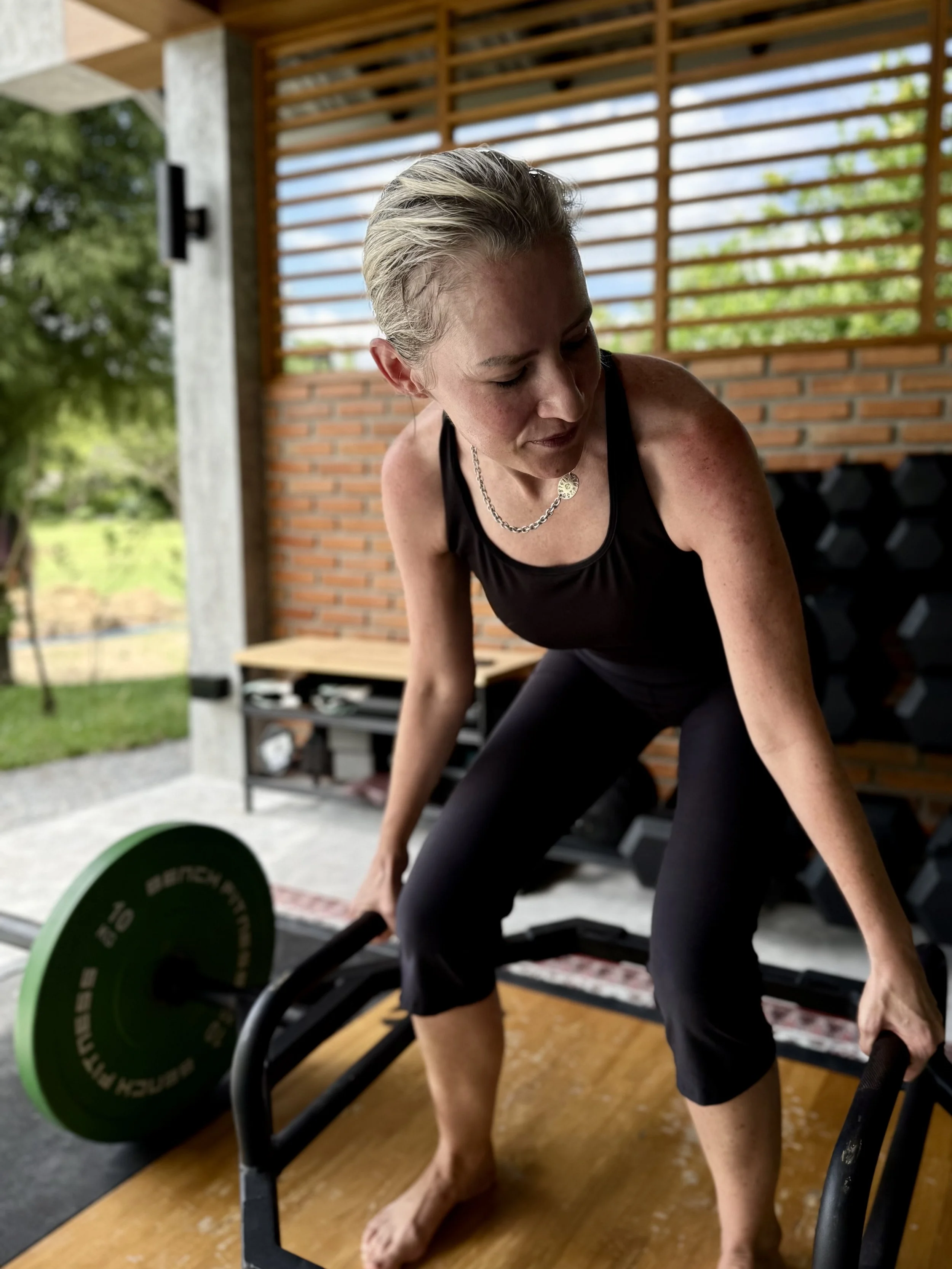
“I didn’t know how much anxiety I was carrying around my back pain. Working with ReWilder helped me face that fear, and not be so afraid of pain in general.”
– Cli, fortysomething counsellor in training